
By Ian Kormos, EHD Marketing and Communications Assistant
The moment you pull into the driveway after a long winter away, it’s easy to go straight into vacation mode. But for second homeowners, that first weekend back is one of the most important, and most overlooked, moments in your entire insurance calendar. Most people assume their regular homeowner’s policy has them covered. In a lot of cases, it doesn’t. And by the time that becomes clear, a claim has already been denied.
Here’s what to check before you unpack the beach chairs.
What a Winter Actually Does to Your Property
A home that sits empty for months isn’t just dusty, it’s quietly accumulating risk. Unoccupied homes are significantly more susceptible to leaks, burst pipes, fires, and undetected mold than actively lived-in properties. The damage doesn’t announce itself; it compounds in the dark until someone finally opens the door in May.
Here’s the timing problem most people don’t think about: spring and summer are peak claims season for homeowners. You’re not just reopening a house; you’re reopening it at exactly the time of year when things go wrong most often. Getting ahead of that is the whole game.
Five Things Worth Inspecting Before Anything Else
You don’t need to comb through every inch of the property, but there are five areas where deferred inspection consistently turns into expensive claims.
Roof and gutters. After a winter of freeze-thaw cycles, the flashing around chimneys, vents, and skylights can crack, warp, or pull away from the roof. Clogged gutters are one of the most common and preventable causes of water damage. A quick walk-around and a hose test of your gutters takes 20 minutes and can save you thousands.
Plumbing. This one has a direct insurance consequence. Many seasonal home policies require a minimum maintained temperature while the property is unoccupied. If the home was left unheated and a pipe burst, that claim can be denied outright. Before you assume you’re covered, check your policy language and check your pipes.
HVAC. Don’t wait until the first heat wave to find out your system isn’t working. Scheduling a tune-up in spring costs less and books faster than calling in July when every HVAC company in the area is slammed. A little proactive maintenance goes a long way toward avoiding a sweltering emergency mid-season.
Pool. Before you pull the cover off, walk the perimeter. Look for new cracks in the concrete, shifting deck tiles, or any areas where a vinyl liner has pulled away from the track. Noting any pre-existing issues before opening makes it significantly easier to file a claim later if something worsens throughout the season.
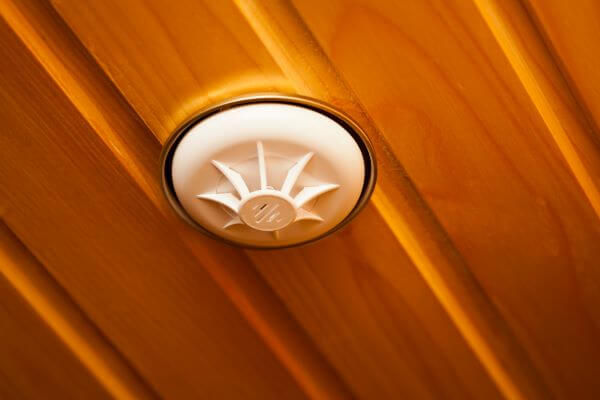
Smoke and CO detectors. After months of vacancy, batteries die quietly. Test every detector and replace batteries before your first overnight stay, full stop.
The Coverage Gap Nobody Talks About
Here’s what catches second homeowners off guard more than anything else: standard homeowners’ policies are built for homes you live in full time, and most include vacancy clauses that can void coverage after a period of extended absence. If your summer home is empty most of winter, you may have less protection than you think.
A second home almost always needs its own separate policy; one designed around the reality that the property sits empty for extended stretches and that risk looks different there. This is one of the most common gaps we see, and one of the easiest to fix with a quick policy review.
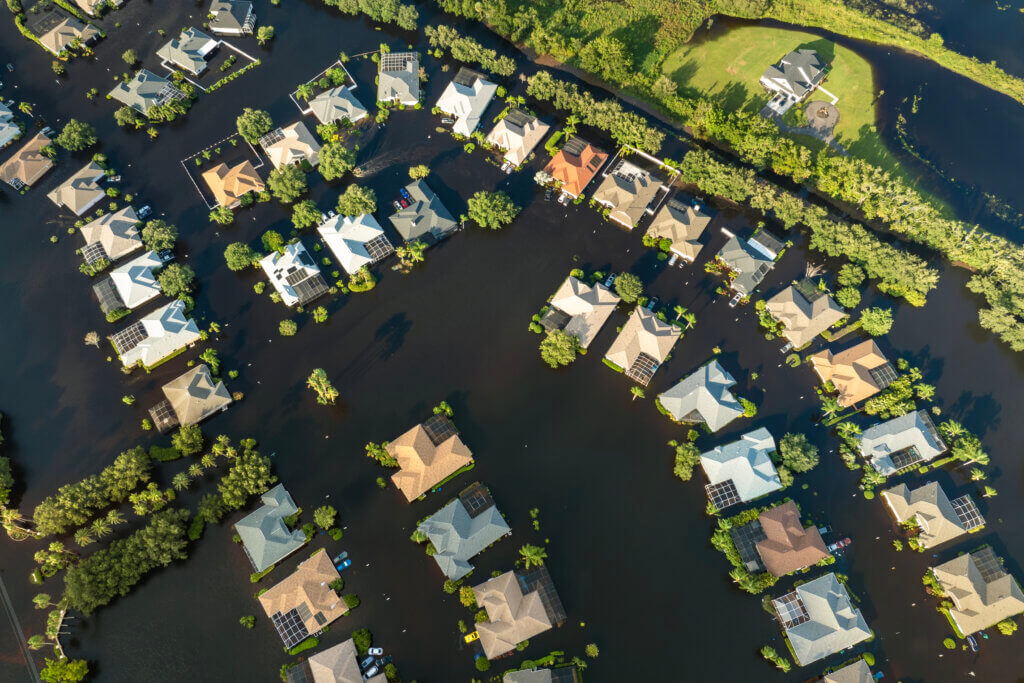
Flood coverage is another gap worth naming directly. Standard homeowners policies don’t cover flooding. If your property is near the water and you’ve been assuming your policy handles it, it’s worth a call to confirm. Depending on your location, a separate flood policy may not just be smart, it may be required.
Pools, Boats, and the Liability You Might Be Underinsured For
Summer homes often come with the best parts of summer, pools, docks, boats, and a steady stream of guests. They also come with liability exposure that standard policies aren’t built to fully handle.
If you have a pool, personal liability coverage alone is often not enough to cover a serious injury on your property. A personal umbrella policy is something we recommend almost universally for summer homeowners with amenities and guests, and most clients are surprised by how affordable it is.
The same thinking applies to watercraft. Most people don’t realize that a standard homeowners policy covers very little when it comes to boats. If you have a watercraft on the property, it almost certainly needs its own hull and liability policy to be properly protected.
The good news on all of this: the right coverage costs a fraction of what most clients expect, especially when policies are bundled together. One conversation can close a lot of gaps.
One Conversation Before the First Weekend
The instinct is to deal with insurance after something goes wrong. The better move is one phone call before your first guests arrive, reviewing your second home policy, confirming your liability limits, and asking specifically about vacancy clauses and whether an umbrella policy makes sense for your situation.
Summer is short. The last thing you want is to spend part of it untangling a coverage dispute that a 15-minute conversation could have prevented. If you’re not sure where your second home stands, we’re happy to walk through it with you.