
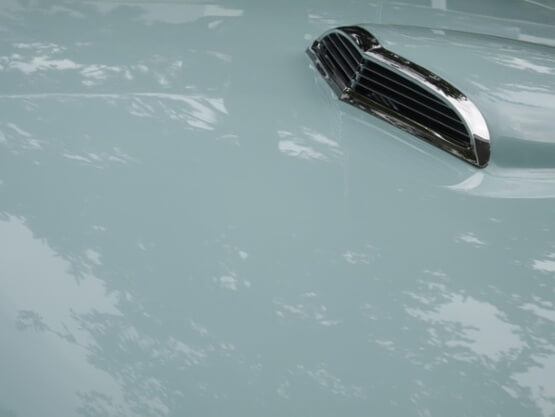
Classic car insurance is critically important in protecting your investment. Whether you purchase a muscle car or an antique vehicle, you must be insured. Whether you own a 1971 Plymouth Superbird 440, a 1954 VW Beetle or a 1940 LaSalle Deluxe Torpedo, an insurance policy can protect your vehicle.
The Basics
Since you have purchased a classic or antique vehicle, you’ll also want to properly insure your investment. When insuring a classic car, you must consider how you will be using the vehicle:
- Will you only drive the vehicle to car shows or in a few parades? If so, your policy should be limited to those circumstances.
- Are you going to use your antique vehicle to go to the grocery store, hit the beach or visit a relative? Then your policy should reflect this kind of use.
A typical classic car insurance policy includes the following:
- Agreed value coverage: Pays for the car’s full-insured value with no depreciation in the event of a total loss, less your deductible.
- Inflation guard: To compensate for inflation and appreciation, the policy increases the vehicle’s value quarterly.
- Spare parts coverage
- Flexible usage: Limits on mileage ranging from 2,500 to 5,000 miles annually. Not limited to parades.
Additional Coverage Options
You can also purchase additional coverage:
- Emergency towing in case of breakdown
- Roadside assistance
- Emergency lockout
- Emergency travel expenses in case your vehicle breaks down while away from home
- Theft reward
- Car show expenses: This policy will pay for expenses associated with missing a car show due to a breakdown
- Personal effects: This policy will reimburse you for items that are vandalized or stolen when reported to police