Most contractors don’t fail because of one big disaster. They fail because a handful of manageable problems were ignored long enough to become unmanageable ones. Labor issues pile on top of cash flow trouble, a defect claim shows up two years after project completion, and suddenly a firm that looked healthy on paper is in serious trouble.
Construction is one of the toughest industries to stay alive in long-term. Here’s an honest look at what’s actually taking firms down, and what you can do about it.
Finding Good Workers and Keeping Them Safe
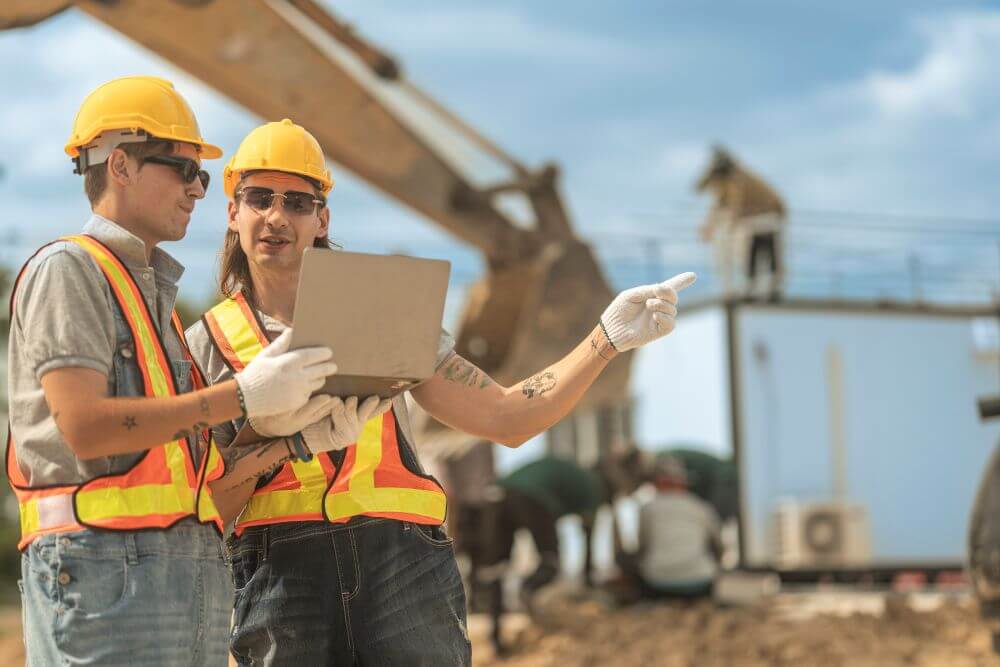
Across the industry, finding and keeping qualified workers is one of the biggest challenges contractors face right now. When you can’t get experienced people, you end up putting less experienced ones on jobs they’re not fully ready for. That drives up costs, slows projects down, and, most importantly, puts people at risk.
Construction is one of the most dangerous industries there is. Bringing on workers who need more supervision than they’re getting makes jobsite incidents more likely. If your safety training hasn’t kept pace with your crew turnover or your growth, that’s a gap worth closing now rather than after something goes wrong.
Defect Claims Don’t Always Show Up Right Away
Construction defects are increasing. Some are obvious: sloppy workmanship, wrong materials. Others are buried in the walls or the foundation and don’t show up for years. That’s where contractors really get caught off guard.
Most contracts only carry a one-year warranty, but latent defects can surface long after that window closes. And here’s what a lot of contractors don’t realize: standard commercial general liability policies often exclude construction defects. Some courts have even ruled that CGL coverage doesn’t apply at all. Knowing where your coverage actually stops is critical, ideally before you need to find out the hard way.
Taking on Too Much Work
A busy pipeline feels like a good problem to have. But taking on more work than your firm is set up to handle is one of the most common reasons contractors go under. It’s not the work itself that’s the problem; it’s saying yes to work you’re not actually ready for.
That might mean bidding on project types you haven’t done before, expanding into a new region where you don’t have established relationships, or jumping from mid-size jobs to major ones before your systems can keep up. The estimating process that worked on a $500K job doesn’t automatically work on a $5M one. When things go sideways at that scale, the losses are proportionally bigger too.
Cash Flow Problems Sneak Up on You
Construction is capital-heavy. You’re buying materials and paying crews well before the owner cuts you a check. When billing falls behind, estimates miss their targets, or a client pays late, the gap between what’s going out and what’s coming in can get wide fast.
The firms that get into real trouble are usually the ones spread across multiple projects at once, with money tied up in equipment and working capital stretched thin. One delayed payment or disputed change order can trigger a cash crunch that takes months to dig out of. Solid job cost tracking and disciplined billing aren’t glamorous, but they’re what keep the lights on.
Jobsite Theft, Fires, and Liability
An unsecured jobsite is an invitation for problems. Equipment walks off. Materials get damaged. Someone who shouldn’t be on the site wanders in and gets hurt. Fire risk on an active construction site is also higher than most people think, with open electrical work, flammable materials, and limited suppression in place.
Every one of those scenarios comes with a price tag, sometimes in direct losses, sometimes in liability claims. Basic site security and enforced safety protocols aren’t just good practice; they’re the difference between an incident that’s covered and one that becomes a lawsuit.
Red Flags Worth Paying Attention To
These warning signs show up repeatedly in firms before things go south. If more than one of these sounds familiar, it’s worth taking a hard look at where things stand:
- Financial reporting that’s inconsistent or hard to trust
- Bank credit lines borrowed to the max on a regular basis
- Estimates that keep coming in off from actual costs
- Project management that’s reactive instead of ahead of problems
- No real business plan guiding decisions
- Communication that breaks down between the office and the field
Your Subcontractors Are Your Risk Too
Whatever a subcontractor does on your project reflects on you. A bad hire, someone who’s uninsured, unlicensed, or just not up to the work, can create liability that follows your firm long after the job is done.
Vetting subs thoroughly before they’re on the job is the first step. That means checking their license, verifying their insurance, and not just taking their word for it. From there:
- Use contracts that spell out exactly who’s responsible for what
- Stay in regular contact throughout the project, and don’t just check in at problems
- Keep a documented record of work progress and any issues that come up
None of this is complicated, but it does take discipline. The firms that manage subcontractor risk well don’t wait for something to go wrong before they start paying attention.
Get the Right Insurance Coverage in Place
Even if you’re doing everything right operationally, the right insurance program is still what protects you when something unexpected happens, and in construction, unexpected is part of the job. Talk to an insurance professional who understands the construction industry and can make sure your coverage actually matches your exposure.