
By Tracy Joe, Personal Insurance Marketing Coordinator
Standard homeowners’ insurance doesn’t cover flood damage. That part most people know. What fewer people realize is that some carriers now offer inland flood coverage, an endorsement that fills part of the gap between a standard homeowner’s policy and a standalone flood insurance policy.
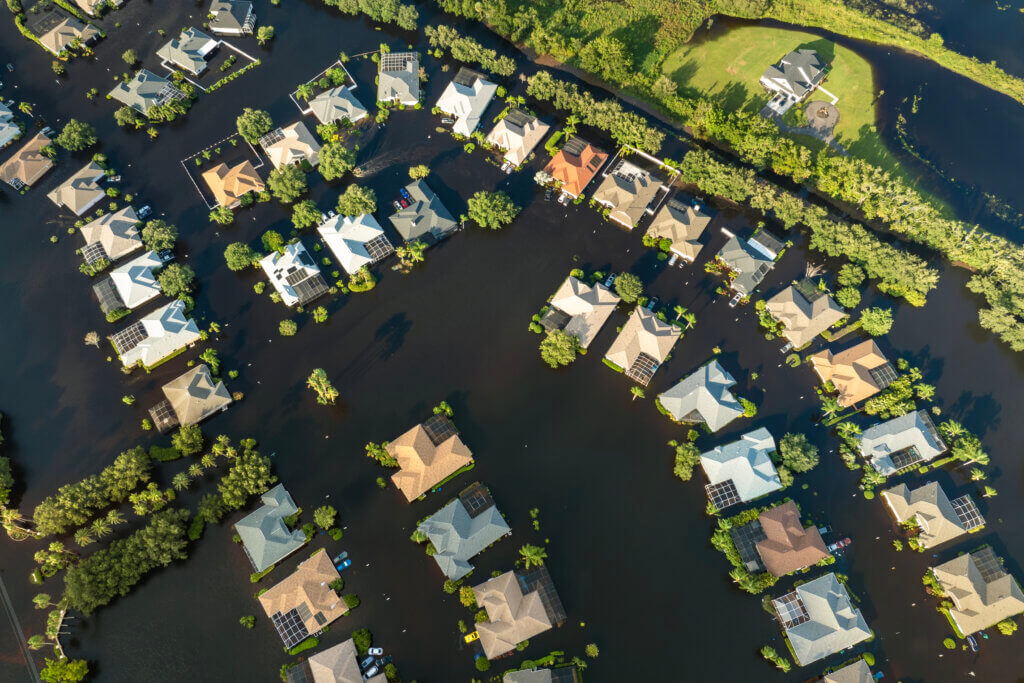
Inland flood coverage helps pay for flood-related losses from heavy rainfall, flash floods, overflowing waterways, surface water runoff, and certain mudflow events. It’s added directly to an existing homeowner’s policy, which makes it a more affordable option for homeowners outside high-risk flood zones who still want some protection.
What Is Inland Flood Coverage?
Inland flood coverage is an endorsement added to a homeowner’s policy. It protects against flood damage caused by:
- Heavy rainfall
- Flash floods
- Overflowing creeks, streams, and rivers
- Rapid surface water runoff
- Certain mudflow events
Water damage from a burst pipe or leaking appliance is usually covered under a standard policy. Water that enters your home from outside, like a flooded creek or runoff after a storm, is not. Inland flood coverage closes that gap.
What’s the Difference Between Inland Flood Coverage and Flood Insurance?
They protect against the same risk, but they aren’t the same product.
Traditional flood insurance is a separate policy, usually purchased through the National Flood Insurance Program (NFIP) or a private flood carrier. Mortgage lenders often require it for homes in high-risk flood zones.
Inland flood coverage is an endorsement of your homeowner’s policy, built for homes outside those high-risk zones. It carries lower coverage limits than a standalone flood policy, limits vary by carrier, and it typically won’t satisfy a lender’s flood insurance requirement.
If a standalone flood policy feels like overkill for your situation but you still want some flood protection, inland flood coverage is worth a look.
Why Are More Homeowners Considering Inland Flood Coverage?
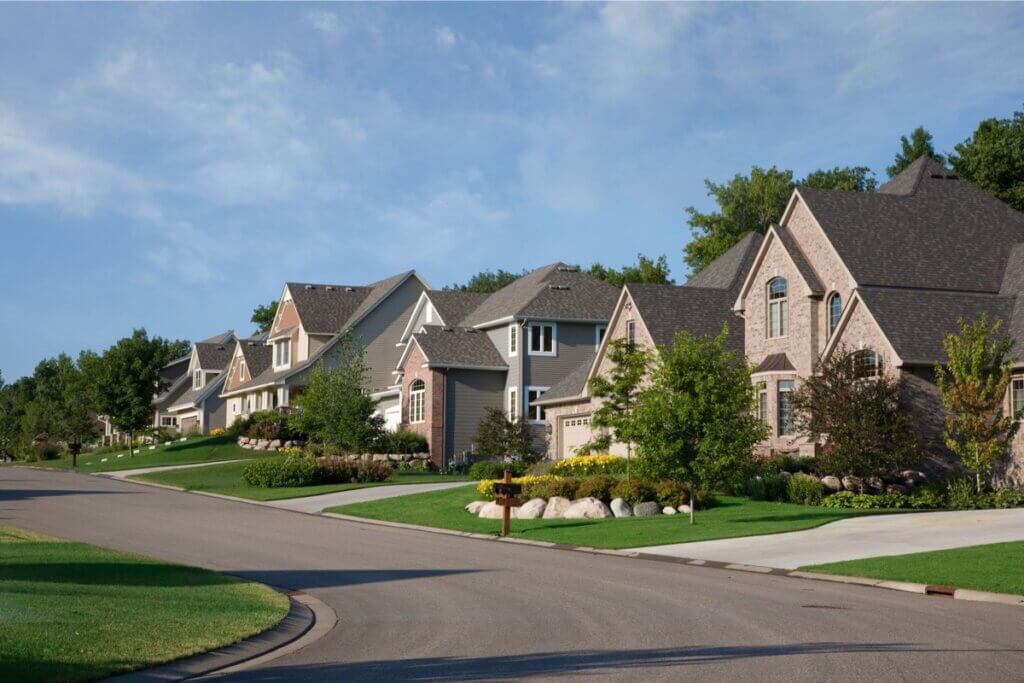
A lot of homeowners assume they’re safe from flooding because they’re not in a designated flood zone. But flooding isn’t limited to flood zones. Heavy rainfall, fast snowmelt, and poor local drainage can flood a home anywhere.
As storms bring heavier rainfall to more communities, homeowners outside traditional flood zones are increasingly looking for coverage that a standard policy doesn’t provide.
FEMA reports that flood damage is one of the most common and costly disasters homeowners face in the U.S.
Do I Need Inland Flood Coverage?
Consider it if you:
- Live near a creek, stream, or small waterway
- Have dealt with localized flooding before
- Are in a low-to-moderate flood-risk zone
- Want more protection than a standard homeowners policy offers
- Are looking for a lighter-weight alternative to a standalone flood policy
It doesn’t take much water to do real damage. An inch of floodwater can destroy flooring, drywall, furniture, and appliances, and repair costs add up fast.
Frequently Asked Questions About Inland Flood Coverage
Does homeowners’ insurance cover inland flooding?
No. A standard homeowners policy excludes flood damage from outside water sources, including heavy rain, overflowing rivers, flash floods, and surface runoff.
Is inland flood coverage the same as flood insurance?
Not quite. Inland flood coverage is an endorsement of your homeowner’s policy. Flood insurance is a separate policy, typically through the NFIP or a private insurer.
Do I need flood coverage if I’m not in a flood zone?
It’s worth considering. A large share of flood claims come from homes in low- or moderate-risk areas, since flooding isn’t confined to designated zones.
How much damage can one inch of floodwater cause?
More than people expect. Flooring, drywall, wiring, furniture, and belongings can all take significant damage, and repair costs climb quickly.
Talk to an Advisor
Every home’s flood exposure looks different, and coverage options vary by carrier. An EHD Personal Insurance advisor can walk through your specific situation and help you figure out whether inland flood coverage makes sense for your home.