
By Tyler Jacono, CSP, Senior Risk Control Consultant
Machine guarding is one of the simplest concepts in safety and also one of the easiest to overlook. Whether it’s a power press in a manufacturing facility or a PTO shaft on a farm, the hazard is the same: moving parts that can cause serious injury in seconds. Most of the time, when something goes wrong, it’s not because the risk wasn’t known. It’s because the guard wasn’t there, wasn’t maintained, or wasn’t being used.
OSHA Expectations
In manufacturing, OSHA’s general requirement falls under 29 CFR 1910.212. The rule is straightforward: if a machine can hurt someone, it must be guarded. That includes protection from rotating parts, pinch points, flying debris, and the point of operation.
The standard doesn’t prescribe one specific solution. Employers can use barrier guards, interlocks, or other methods—but the end result has to be the same: workers can’t reach the hazard.
In agriculture, OSHA applies 29 CFR 1928.57, which focuses on equipment like tractors, augers, and other farm machinery. A major emphasis is on guarding power take-off shafts and other moving components. These parts must be shielded, and guards are expected to stay in place during operation.
Current OSHA Focus
OSHA continues to put real emphasis on machine guarding, especially in manufacturing. The agency renewed its National Emphasis Program on amputations in 2025, targeting operations where improper guarding leads to serious injuries.
That means more attention during inspections—not just on whether guards exist, but whether they’re effective and actually being used.
Manufacturing vs. Agriculture
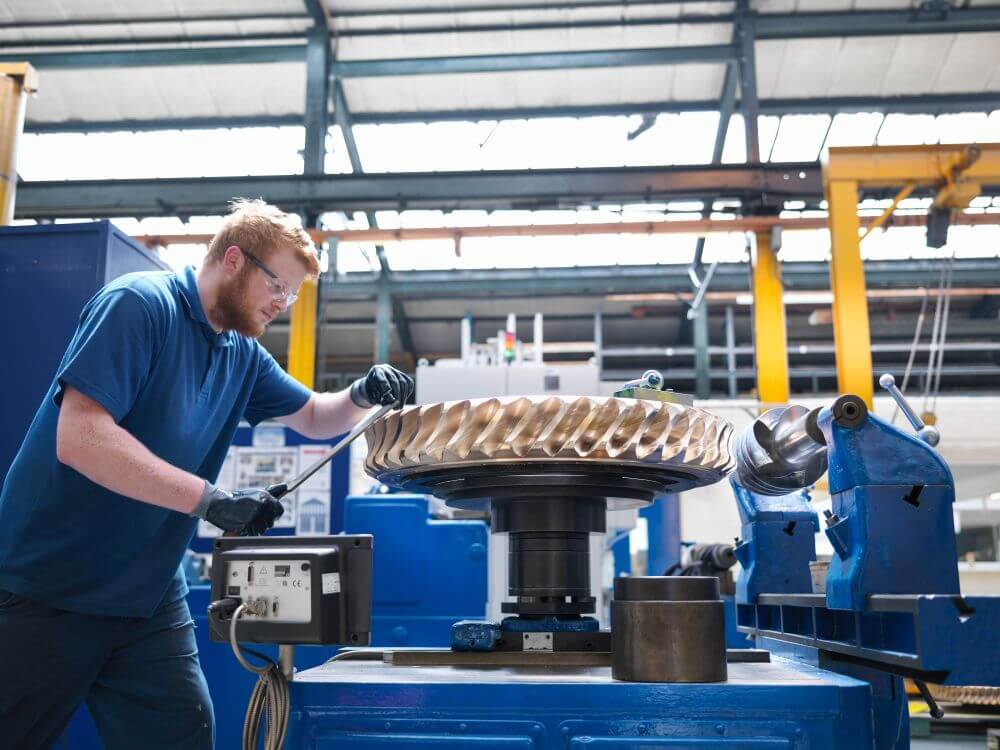
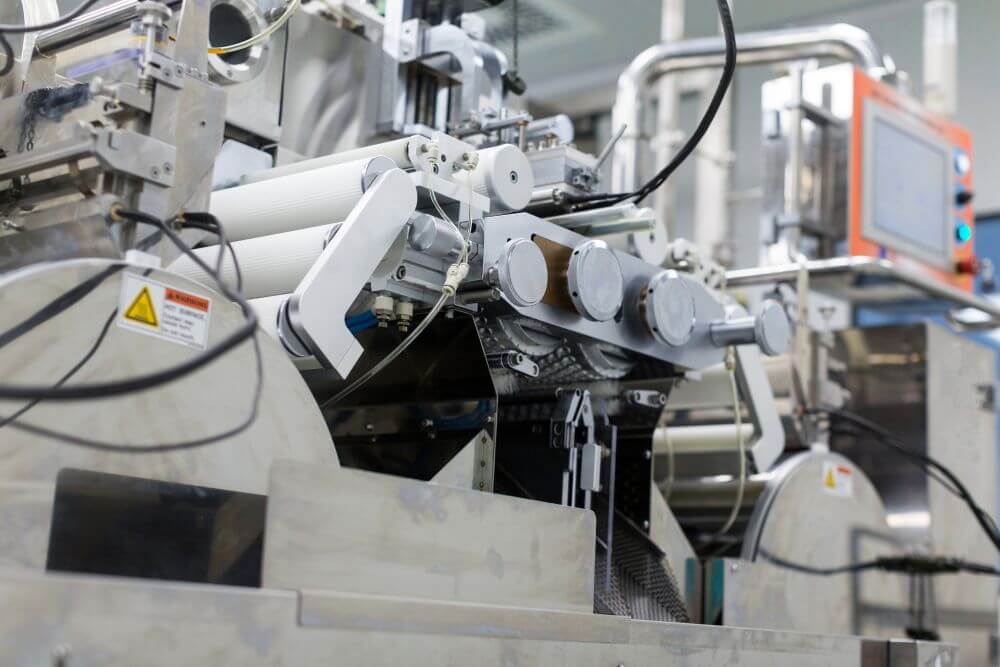
Manufacturing environments tend to rely more on engineered solutions—fixed guards, interlocks, or presence-sensing devices. These systems can be very effective, but only if they’re maintained and not bypassed.
In agriculture, the challenge is different. Equipment is often mobile, older, and used in less controlled settings. Guarding still matters just as much, but safe operation depends heavily on the operator—keeping shields in place, shutting equipment down before servicing, and staying aware of moving parts.
How EHD Risk Control Can Help
Machine guarding issues are rarely solved with a quick fix. They usually come down to a mix of equipment, behavior, and process.
EHD Risk Control works with clients to look at all three. That starts with walking the operation, identifying where people are exposed, and evaluating whether current guarding actually works in practice—not just on paper.
From there, the focus is on practical solutions. That might mean improving physical guards, addressing how maintenance is handled, or adjusting procedures so guards don’t get bypassed in the first place.
Training is part of it as well. When employees understand the “why,” they’re more likely to do the right thing when no one is watching.
Bottom Line
Machine guarding isn’t complicated, but it does require attention. The hazards are well known, and the standards are clear. The difference comes down to follow-through, making sure guards are in place, used correctly, and maintained over time.