A country’s infrastructure is critical in supporting its economy and citizens’ well-being. Without a strong infrastructure, impacted communities could experience significant disruptions to essential utilities (e.g., transportation networks, water systems, communication services and energy grids), thus threatening individuals’ and businesses’ health and financial stability.
Over the years, U.S. infrastructure has been steadily deteriorating, affecting the growth and operational success of organizations nationwide. Specifically, this aging infrastructure has contributed to substantial property repair costs, widespread supply chain concerns and large-scale business interruptions. According to the American Society of Civil Engineers (ASCE), the country’s outdated infrastructure is projected to cost the economy more than $7 trillion in lost business sales and almost $4 trillion in gross domestic product losses by 2025.
With this in mind, it’s vital for businesses to have a better understanding of how the nation’s aging infrastructure exposes them to potential losses. This article explores the current state of U.S. infrastructure, outlines related risks and provides steps organizations can take to help minimize these concerns.
The Current State of U.S. Infrastructure
The United States has a complex infrastructure that consists of various components, including roads, bridges, railways, airports, plumbing systems, telephone and internet services, and gas and electrical utilities. Over the past several decades, prolonged maintenance backlogs and limited funding for repairs have caused this infrastructure to decline. In fact, the country has consistently received a grade of C- or lower on its annual infrastructure report card since 1998. Here’s a breakdown of the most prominent U.S. infrastructure concerns:
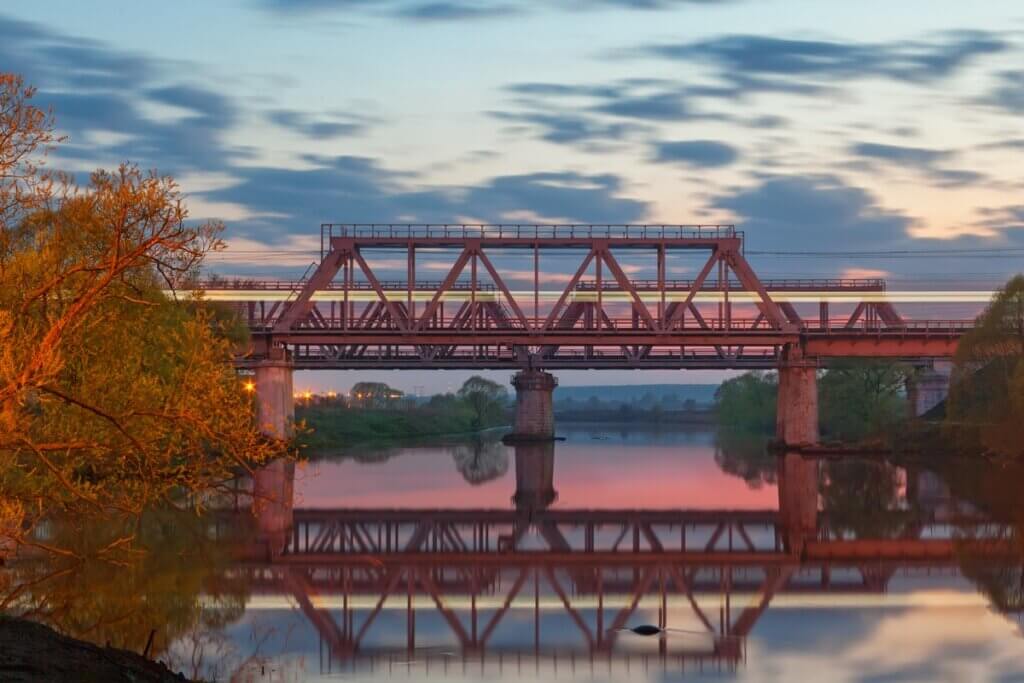
- Roads and bridges are old. The majority of the country’s Interstate Highway System is more than 50 years old. According to the ASCE, this system carries over 25% of all U.S. vehicle miles of travel, making it paramount to the nation’s mobility. Additionally, 1 in 9 bridges in the United States is considered structurally deficient. While the government currently invests $20.2 billion each year in improving the country’s roadways, the U.S. Department of Transportation reported that $189 billion is necessary to make sufficient repairs.
- Water systems are failing. Similar to the nation’s roads and bridges, many U.S. water systems are aging, with some systems dating as far back as the 19th century. Compounding concerns, these systems have begun failing at higher rates; the ASCE confirmed that among the country’s 1.2 million miles of water main pipes, there are nearly 240,000 breaks each year.
- Power outages are on the rise. According to the U.S. Energy Information Administration, national energy consumption has surged from 500 billion kilowatt hours (kWh) in 1950 to 4 trillion kWh today. As the country’s energy grids have aged, it has grown more challenging for these systems to keep up with Americans’ rising power usage. Consequently, intermittent power disruptions have become a common occurrence nationwide. These disruptions can have far-reaching impacts, shutting down communication networks and water supplies and making affected individuals and entities more vulnerable to cyber-related losses.
Making matters worse, extreme weather events (e.g., tornadoes, hurricanes, floods, winter storms and wildfires) have become increasingly frequent and severe. These events often result in major property damage, potentially harming crucial elements of the country’s already fragile infrastructure in the process. Altogether, the ASCE estimated that the United States will need to spend up to $2.6 trillion throughout the next 10 years to adequately repair its national infrastructure.
In an effort to address these issues, congress recently passed a bipartisan infrastructure law (known as the Infrastructure Investment and Jobs Act) that will provide funding over the next five years to the Federal Emergency Management Agency (FEMA) to help accomplish a range of maintenance, repair and disaster resilience initiatives across the country. This includes $1 billion toward FEMA’s Building Resilient Infrastructure and Communities program; $733 million toward dam safety measures; and $3.5 billion toward flood mitigation assistance efforts.
However, it’s important to note that these initiatives will take time to implement. Furthermore, the federal government’s investments may still not be enough to fully repair the country’s deteriorating infrastructure. As such, infrastructure issues will likely persist for the foreseeable future.
The Risks of Aging Infrastructure
The country’s aging infrastructure poses a number of operational, financial and reputational risks to businesses. Some key risks include the following:
- Property damage—As the nation’s infrastructure deteriorates and extreme weather events continue to surge, businesses may face an increased likelihood of property damage from associated structural and utility failures (e.g., burst pipes, downed power lines and gas leaks or explosions). Such damage could lead to costly property repairs and replacements.
- Operational issues—Property damage, utility disruptions and equipment breakdowns caused by outdated infrastructure could force businesses to temporarily halt their operations and experience prolonged downtime. This downtime could leave businesses with large-scale losses.
- Maintenance and repair expenses—To combat escalating infrastructure issues, businesses may allocate additional funding toward property and equipment maintenance and repairs. Yet, doing so may divert money and resources away from other important company initiatives (e.g., staff training and new technology) and place constraints on organizations’ potential for growth.
- Supply chain concerns—As it pertains to transportation systems, many businesses rely on this infrastructure to send and receive critical shipments and inventory. In the event of infrastructure-related transportation failures, businesses could encounter broken supply chains, material shortages and delivery delays. These issues could negatively impact the timeliness and quality of organizations’ products and services, possibly leaving them with lost revenue, dissatisfied customers and lasting reputational damage.
- Safety hazards—In some cases, infrastructure concerns could present heightened safety exposures for businesses and their stakeholders. For instance, outdated systems and structures that no longer meet the latest building codes and safety standards could contribute to an elevated risk of injuries (e.g., electrical injuries from power failures or motor vehicle accidents on deteriorating roadways). Depending on the nature of these incidents, businesses may even face liability concerns due to such safety shortcomings.
Steps Businesses Can Take
Businesses should consider the following best practices to help mitigate potential risks stemming from the country’s aging infrastructure:
- Conduct risk assessments. Businesses should leverage risk assessments to analyze how infrastructure issues may impact their particular operations. Upon identifying these vulnerabilities, businesses can better determine measures to help minimize such concerns (e.g., implementing property and equipment upgrades and upholding routine maintenance schedules).
- Diversify supply chains. To limit the likelihood of infrastructure issues causing broken supply chains, businesses should utilize a variety of vendors across different locations for their essential materials and inventory. By diversifying their supply chains, businesses can reduce their reliance on individual infrastructures and avoid major disruptions due to transportation bottlenecks.
- Bolster disaster resilience. Businesses should establish workplace policies and procedures specifically aimed at improving disaster resilience in the event of infrastructure issues. This may include securing backup energy sources and power systems, protecting critical records and data in offline locations, and creating temporary relocation plans to remain operational amid infrastructure breakdowns.
- Transfer exposures. When setting up contractual agreements with suppliers or other crucial service providers, businesses should consider transferring some of their infrastructure risks onto these parties. In doing so, businesses can limit their liability exposures, reduce property damage expenses and minimize other possible operational losses following infrastructure failures. Businesses should consult legal counsel for further contractual guidance.
- Advocate for improvements. Businesses should regularly review applicable federal, state, local and industry-specific plans for infrastructure improvements and participate in any community efforts to expedite or enhance these plans.
- Purchase sufficient coverage. Several types of commercial insurance policies can provide businesses with much-needed financial protection for infrastructure-related losses. This coverage may include commercial property, business interruption and general liability insurance. Businesses should reach out to trusted insurance professionals to discuss their particular coverage needs.
Conclusion
The nation’s aging infrastructure is a prevalent concern for businesses of all sizes and sectors. By monitoring the current state of the country’s infrastructure, reviewing the potential ramifications of its deterioration and taking steps to limit associated exposures, businesses can effectively navigate this evolving risk landscape.
This Risk Insights is not intended to be exhaustive nor should any discussion or opinions be construed as legal advice. Readers should contact legal counsel or an insurance professional for appropriate advice. © 2023 Zywave, Inc. All rights reserved.